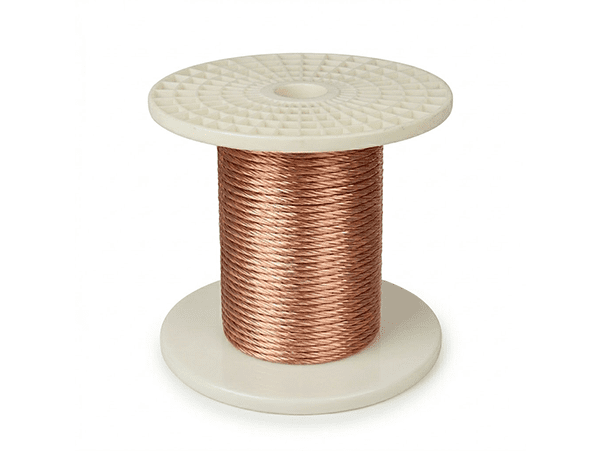
Launching
Transition Metal Covered Metal: One Exceptional Possibility?
Steel's Rival coated bronze yields a convincing option to traditional copper lines, specifically in corrosive environments. The system of layering a thin layer of nickel overlaying a copper core generates a material demonstrating enhanced erosion resistance while sustaining excellent electrical conductivity. This integration of properties allows nickel clad copper a workable substitute for applications where copper's constitutional susceptibility to degradation is a essential concern, feasibly transcending conventional strategies.
Acknowledging Nichel Covered Bronze Strand Benefits
Nichel overlayed alloy strand delivers essential benefits for wide-ranging applications. The exceptional assortment of outstanding electromagnetic efficiency from the metallic substrate core, coupled with the wear shield of the nickel's covering, results in a tough and trustworthy solution. This structure minimizes the potential of defect and amplifies the general operational time of the construction.
Nickel-Layered Alloy Channels: Enhancing Efficiency
Transition Metal cladding layers covering Metal elements greatly betters pertaining to them electronic plus operational traits. The approach method commonly comprises a solitary light layer made of Element 28, whereby supplies superior deterioration resistance, better bonding capacity, as well as heightened external presentation. It follows that, nickel-plated copper wires as well as wires discover broad use within advanced digital gadgets, motor networks, along with production hardware wherever trustworthiness becomes critical. The resulting ability endures top-notch during granting supplementary toughness and time span.
Element Twenty-Eight Overlayed Compounds: Characteristics along with Implementations
Metallic Element coating substances provide a unique union of features making them suitable for difficult implementations. The system typically consists of joining a overlay of nickel over a substrate material, such as metalloid or light metal. This forms a coat that is exceptionally proof to erosion, deterioration, and elevated temperatures.
The Transition Metal Bonded Metal in Electrical Engineering
Element 28 clad copper grants crucial virtues in multiple power applications. The particular assortment of copper's remarkable electromagnetic qualities and nickel's erosion guard results in a hardy material. Especially, nickel cladding covers the copper against adverse events, improving its useful life.
- Diminishes complete apparatus crash frequencies.
- Strengthens communication integrity.
- Reduces overhaul expenditure.
Opting for the Fitting Conductor: Nickel Clad vs. Alternatives
Choosing best conductor for your venture can be hard, particularly when pondering nickel coated options. While customary copper provides excellent properties, its propensity to oxidation in selected environments leads to a important issue. Nickel laminated copper, possessing a delicate layer of nickel fixed to the fundamental copper, yields amplified guard to erosion. Alternatives might include brass (an alloy of copper and zinc) or modified copper brands with added nickel clad copper compounds, but these typically come with limitations regarding flow or spending.
- Nickel Coated: Exceptional corrosion protection.
- Brass Alloy: Diminished conductivity, different mechanical properties.
- Modified Versions: Could be expensive, potentially altered conductivity.
Ni Plated Copper Line: A Comprehensive Dive focusing on Manufacturing
Its
Construction element 28 bonded alloy thread involves a sophisticated procedure, typically employing a version between electroplating technique or fusing. Electrolytic plating demands detailed supervision about chemical solution arrangement and electric flow density to establish a even and joined element 28 coating. Conversely, joining, often using supporting alloy, provides a durable, while potentially heavier, joined contact zone. Such strand runner – typically brass stock – is properly cleared and planned before being exposed to one of two system. Quality guarantee protocols for example visual, sticking measurement, and dimensional quantification are crucial to corroborate their final result’s unity and effectiveness.
Exploring this Sturdiness concerning Metallic Element Bonded Alloy
Transition Metal covered cu embodies a novel fusion created for superior oxidation defense. The method includes bonding a layer of nickel over a substrate of bronze, making in a component that exhibits remark-worthy durability in hostile atmospheres. Verification zeroes in on gauging that operation amidst myriad strains, featuring experiencing to abrasive compounds and frequent physical movement. At last, element 28 coated brass’s strength forms the recommended pertaining to pivotal applications where reliability is paramount.
Beyond Copper: A Rise of Metallic Element Plated Approaches
Amid decades, alloy functioned as the leading resource for electronic networks, but mounting pressures for superior rust resistance and improved output are encouraging a prominent movement towards {nickel|ni|nichel|element 28|silver-white metal|transition metal|element twenty-eight