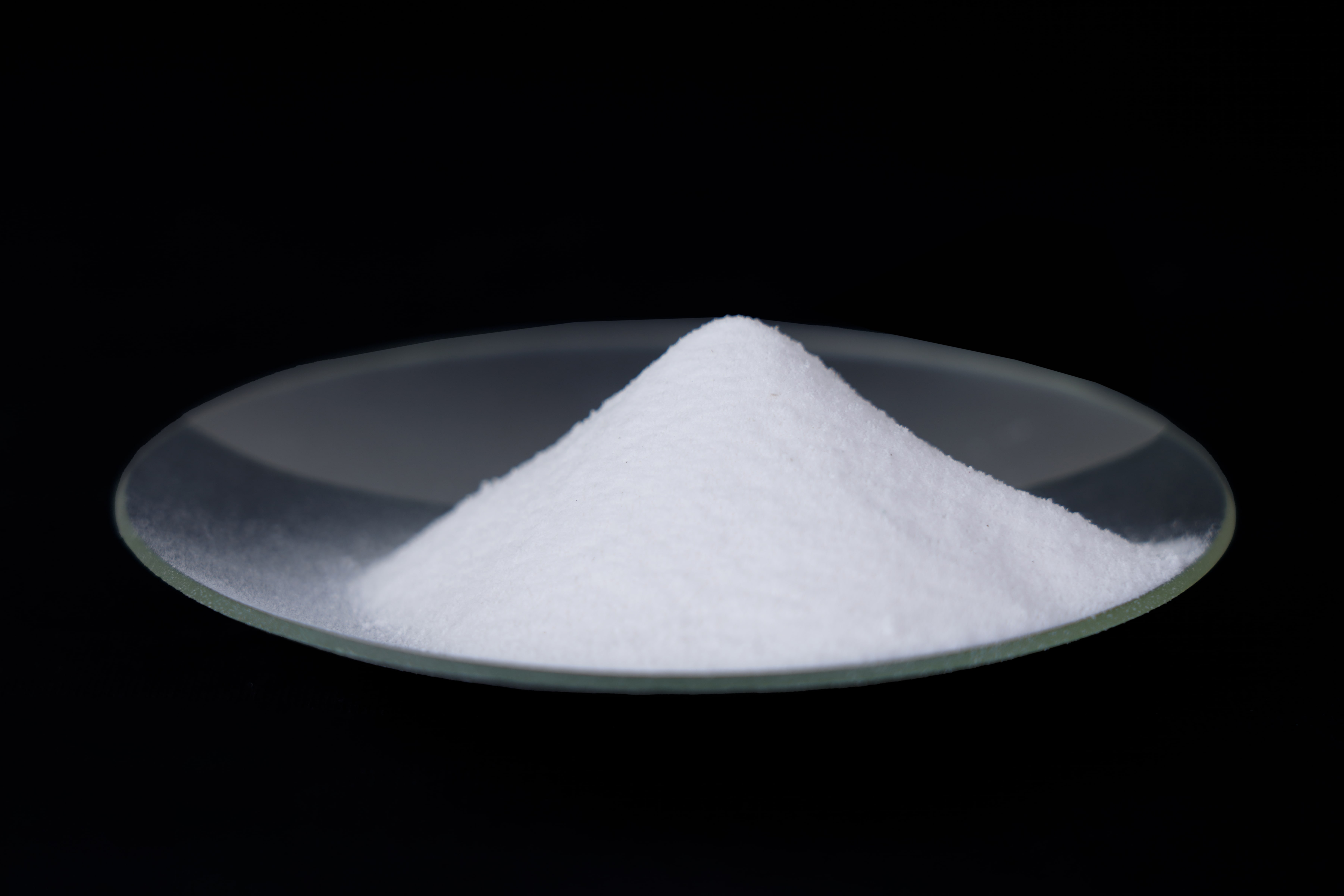
Initiatingmicro-fossil sediment serves as efficient clarifying agent extensively adopted in various processing tasks, particularly during drink preparation. Taken from the fossilized remains of ancient diatoms, it displays a unique porous structure that permits optimal conveying. The element serves by creating a slender sieve diatomaceous earth layer on a filter press, trapping minute particles while permitting liquid flow. Picking the correct classification of porous silica product is crucial for top productivity.
Exploiting Permeable Earth Deposit for Purification
Fossilized material, composed of the fossilized remains of microscopic algae called diatoms, presents a unique choice for processing various particles. Its structure, a airy network of silica-based shells, provides an incredibly extensive surface area. This allows for highly potent removal of sediments from aqueous systems. Implementations range from water conditioning and liquid refreshment fabrication to aquatic filtration and even crop-related operations. Positives include its non-synthetic origin, financial prudence compared to various synthetic alternatives, and its capacity to profoundly seize a diverse set of undesirables.
- Delivers superior particle removal.
- Acts as a environmentally sound choice.
- Relevant for several sectors.
Treated Bleaching Substance: Properties and Purposes
Modified bleaching matrix is a variety of natural kaolinite that has undergone specific conditioning to increase its binding capacity. This strategy typically involves enzymatic conversion, resulting in a enhanced arrangement with a broad space. Consequently, it exhibits unparalleled fitness to adsorb tints from a diverse set of solutions, finding relevant applications in the whitening of vegetable oils, greases, and other environmental materials. What’s more, its environmentally-sound trait and cost-effectiveness contribute to its rising recognition in various sectors.
Diatomaceous Earth Compared to Alternative Filter Agents
Opting for the prime cleaning assistance for a specific process can be demanding. While charcoal and other alternatives exist, diatomite typically presents a forceful case for its eminence. When assessed with these counterparts, diatomite regularly offers augmented clarity and a greater capacity of screening matter. However, a most choice ultimately is based on elements such as budget, task requirements, and desired outcome standard.
The Theory of Diatomite Filtration
Siliceous microfossils or diatomite powder filtration processing leverages the unique remarkable structure of said microscopic infinitesimal algae specimens. These aforementioned diatoms, upon post- death, form assemble a sedimentary natural rock composition composed assembled of intricately carefully porous perforated silica amorphous silica shells. This stipulated porous frameworked network configuration provides an incredibly notably large space for seizing particulate miniscule matter sediments from through liquids substances, achieving resulting in highly or effective or fine filtration grading.
Improving Decolorizing Capability of Activated Material
Improving this purifying approach employing modified earth presents a interesting alternative for advancing output. The stated sustainable material, originating in ground, possesses outstanding capturing properties that allow it to competently extract dark elements from textile fibers, thereby lessening dependence on harsh non-organic substances and promoting a healthier performance.
Learning Filter Aid Classifications
Choosing the right microsilica class is important for productive filtering processes. Porous sediment grades are determined by their crystalline scale, typically expressed in particulate dimensions. Finer grades, like FF or Filter-X, offer noteworthy transparency and are compatible for sensitive liquids, while rougher grades, such as Perlite or Celite 500, offer a stronger liquid transfer for minimal uses. Understanding these divergences will help you to enhance your purification performance and curtail expenses pertaining with the process.
Green Sourcing of Earth-based Earth
The rising demand for mineral sediment earth necessitates a focus on green sourcing policies. Traditional extraction often comprises significant habitat disturbance and can affect regional ecosystems. At this time, forward-thinking organizations are seeking alternatives, such as renewal of previously mined sites, ensuring lowered disruption and defending faunal habitats. Furthermore, transparency in the chain is shifting crucial, allowing users to make informed purchases and endorse environmentally sustainable efforts. To that end, responsible oversight of microfossil earth earth reserves is vital for ongoing availability and minimal environmental ramifications.
- Minimized land footprint.
- Reclamation of harvesting sites.
- Augmented clarity in the flow.
Altered Brightening Stratum: A Chemical Perspective
Considering a scientific angle, treated lightening soil represents a distinctive class of silicate minerals. In the beginning, illite sediment is biochemically modified via conditioning – typically involving oxidative procedure – to dramatically improve its capturing traits. That modification creates a extensive area with a significant number of acidic sites, facilitating the sequestration of discolored elements from emulsions. The operation essentially involves chemical interactions and London colligations, yielding a purer outcome.