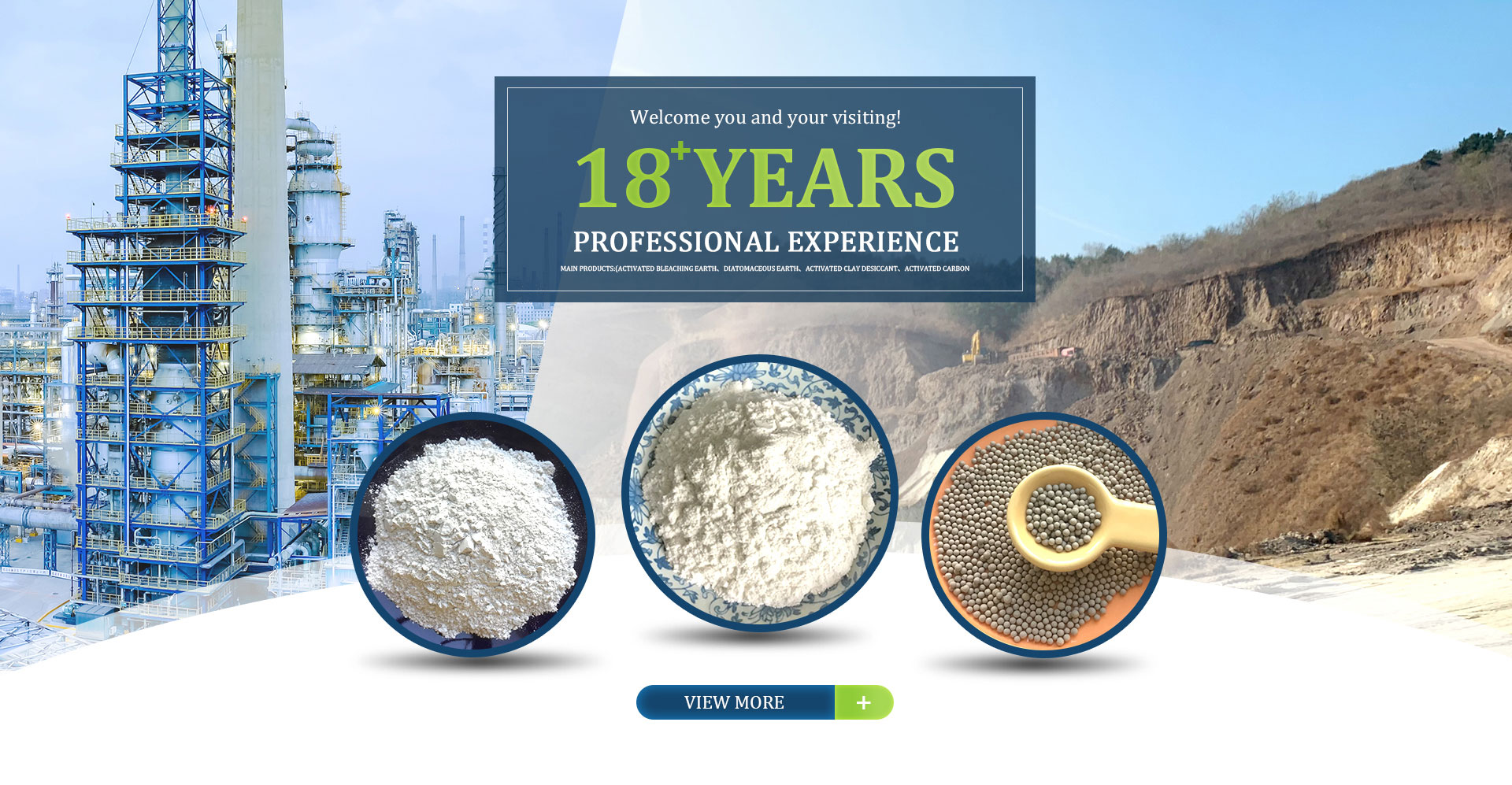
Initiatingsiliceous powder operates as optimal filtering medium generally implemented in various industrial processes, particularly within drink processing. Formed from the fossilized remains of prehistoric microbes, it shows a unique intricate network that permits advanced straining. This agent acts by creating a translucent cleansing layer on a strain apparatus, sequestering infinitesimal fragments while allowing the liquid to pass through. Choosing the right grade of diatomaceous earth filtration activated bleaching earth is essential for optimal performance.
Harnessing Diatomaceous Residue for Refinement
Silica-rich powder, composed of the fossilized remains of microscopic algae called diatoms, presents a distinctive answer for filtration various ingredients. Its structure, a lightweight network of glass-like shells, provides an incredibly substantial surface area. This enables for highly efficient removal of suspended matter from solvent blends. Functions range from fluid purification and fermented drink fabrication to aquatic filtration and even crop-related operations. Positives include its natural origin, cost efficiency compared to several synthetic alternatives, and its capacity to accurately seize a broad set of foreign bodies.
- Provides superior substance removal.
- Serves as a eco-friendly choice.
- Adapted for numerous industries.
Upgraded Bleaching Clay: Aspects and Employments
Modified bleaching layer is a class of raw illite that has undergone unique enhancement to boost its sorption powers. This practice typically involves physical modification, resulting in a enlarged structure with a ample surface area. Consequently, it exhibits unparalleled fitness to extract discolorations from a diverse collection of solutions, finding crucial applications in the lightening of vegetable oils, greases, and other environmental materials. What’s more, its environmentally-sound feature and price attractiveness contribute to its expanding presence in various industries.
Deciding the Superior Filter Aid: Diatomite or Others?
Determining the best separation element for a specific process can be tricky. While bentonite and other replacements exist, diatomite often presents a strong case for its dominance. Compared with these rivals, diatomite typically offers greater limpidity and a boosted rate of removing sediments. However, such perfect choice ultimately varies on considerations such as expense, function requirements, and required output class.
Scientific Principles of Diatomite Filtration
Microshell earth or known as porous earth filtration refining leverages the unique notable structure of or these microscopic or tiny algae shells. These said diatoms, upon when death, form produce a sedimentary siliceous rock deposit composed constructed of intricately delicately porous cellular silica quartz shells. This said porous honeycomb-like network matrix provides an incredibly remarkably large or surface for or trapping particulate dimensionless matter elements from between liquids moist environments, achieving producing highly robust meticulous filtration refining.
Augmenting Decolorization Potential of Enhanced Substances
Maximizing one's brightening procedure utilizing enhanced earth presents a potent approach for boosting productivity. That eco-friendly material, sourced from clay, possesses distinguished retaining traits that enable it to adeptly clear discolored impurities from textile fibers, thereby decreasing dependence on harsh non-organic substances and promoting a greener performance.
Knowing Diatomite Filtration Powder Categories
Selecting the appropriate filter media quality is fundamental for optimal filtration processes. Microporous powder grades are classified by their granular measurement, frequently expressed in mesh sizes. Less coarse grades, like FF or Filter-X, offer outstanding distance vision and are fitting for thin liquids, while thicker grades, such as Perlite or Celite 500, provide a enhanced flow rate for reduced engagements. Understanding these changes will empower you to optimize your screening results and cut down burdens linked with the mechanism.
Responsible Sourcing of Microfossil Earth
The surging demand for siliceous sediment earth necessitates a commitment on responsible sourcing approaches. Traditional collection often includes significant natural disturbance and can jeopardize nearby ecosystems. Presently, forward-thinking entities are exploring alternatives, such as recovery of vacated sites, ensuring restricted disruption and conserving species variety habitats. Furthermore, visibility in the system is evolving crucial, allowing clients to decide informed conclusions and promote environmentally friendly processes. Consequently, responsible control of diatomite earth supplies is vital for enduring availability and restricted environmental damage.
- Alleviated land impact.
- Rehabilitation of digging sites.
- Elevated monitoring in the transit.
Enhanced Clearing Earth: A Chemical View
Examining a technical angle, refined lightening soil represents a distinctive class of mineral minerals. In the beginning, illite sediment is catalytically modified via conditioning – typically involving oxidative procedure – to dramatically elevate its binding features. That treatment creates a considerable region with a significant number of anionic locations, facilitating the adsorption of chromatic factors from aqueous phases. The dynamics mostly involves ionic associations and interatomic forces, bringing about a cleaner effect.
