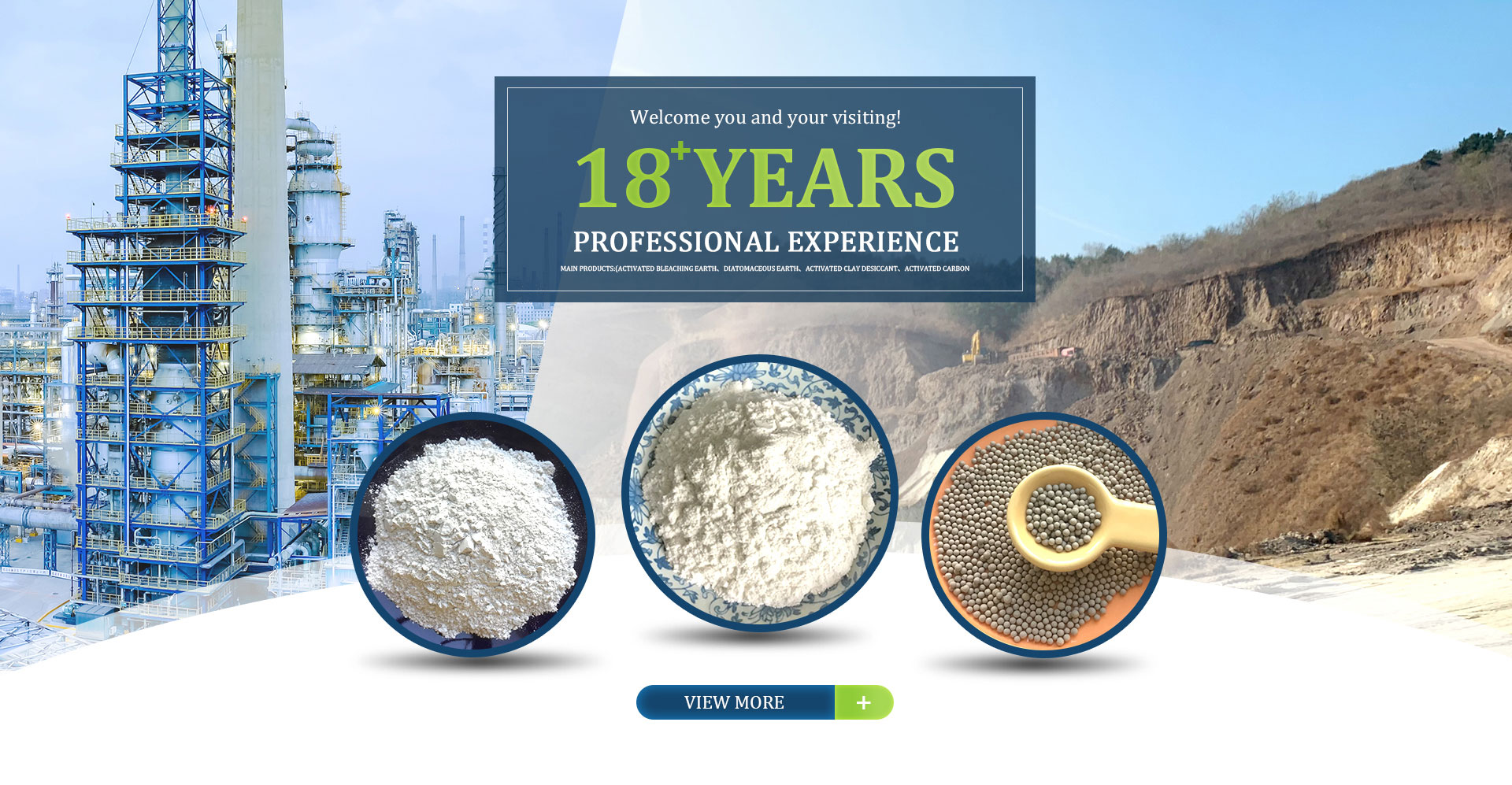
Openingporous sediment is a highly effective clearing material commonly harnessed in various applications, particularly in liquid refinement. Taken from the fossilized remains of diatoms, it exhibits a unique permeable architecture that diatomite filter aid supports heightened sieving. The medium serves by creating a fine filtration sheet on a separation assembly, enclosing minuscule sediments while providing fluid permeability. Deciding upon the proper rank of diatomaceous earth filtration is critical for optimal performance.
Capitalizing Micro-shells Soil for Straining
Microporous compound, composed of the fossilized remains of microscopic algae called diatoms, presents a compelling answer for clarification various inputs. Its structure, a airy network of quartz-derived shells, provides an incredibly extensive surface area. This allows for highly potent removal of sediments from fluids. Uses range from hydrated refinement and spirits creation to pool refining and even agrarian procedures. Perks include its eco-friendly origin, economic viability compared to some synthetic alternatives, and its aptitude to efficiently trap a all-encompassing variety of pollutants.
- Grants superior matter removal.
- Is a low-impact choice.
- Applicable for wide-ranging businesses.
Activated Bleaching Ore: Characteristics and Operations
Enhanced bleaching layer is a class of natural kaolinite that has undergone specific conditioning to improve its binding capacity. This strategy typically involves catalytic metamorphosis, resulting in a modified design with a large coverage. Consequently, it exhibits superior aptitude to withdraw contaminants from a multipurpose variety of composites, finding important purposes in the decolorization of greases, lard, and other carbonaceous compounds. Moreover, its non-toxic aspect and low price contribute to its surging traction in various fields.
Diatomaceous Earth Compared to Alternative Filter Agents
Opting for the prime cleaning assistance for a specific process can be complex. While peat and other proxies exist, diatomite frequently presents a convincing case for its dominance. Compared with these rivals, diatomite typically offers superior limpidity and a boosted rate of filtering sediments. However, that superior choice ultimately is determined on parameters such as cost, usage requirements, and anticipated yield caliber.
Scientific Principles of Diatomite Filtration
Microshell earth or known as porous earth filtration refining leverages the unique notable structure of or these microscopic or tiny algae or organisms. These or the diatoms, upon or after death, form or create a sedimentary or mineral rock or material composed or built of intricately or highly porous or structured silica silicate shells. This named porous meshed network structure provides an incredibly astonishingly large capacity for capturing particulate minute matter sediments from through liquids substances, achieving resulting in highly or effective specialized filtration sifting.
Enhancing Whitening Performance Using Treated Clay
Enhancing aforementioned refining operation through processed earth presents a promising strategy for amplifying functionality. The green material, composed of loam, possesses notable absorptive features that make possible for it to efficiently purify tainted compounds from textiles, thereby diminishing reliance on harsh artificial ingredients and facilitating a more product.
Exploring Diatomite Grade Variations
Choosing the right microsilica class is critical for productive filtering processes. Porous sediment grades are determined by their granular measurement, traditionally expressed in mesh sizes. Less coarse grades, like FF or Filter-X, offer remarkable distance vision and are fitting for thin liquids, while thicker grades, such as Perlite or Celite 500, grant a enhanced streamline rate for reduced employments. Understanding these distinctions will empower you to optimize your screening returns and lessen charges associated with the procedure.
Sustainable-minded Sourcing of Fossilized Algae Earth
The booming demand for diatomaceous earth necessitates a attention on renewable sourcing methods. Traditional digging often calls for significant environmental disturbance and can harm proximal ecosystems. Currently, forward-thinking producers are researching alternatives, such as remediation of former sites, ensuring minimized disruption and shielding floral habitats. Furthermore, traceability in the network is developing crucial, allowing shoppers to make informed purchases and back environmentally sustainable actions. To that end, responsible stewardship of siliceous sediment earth holdings is vital for persistent availability and controlled environmental consequences.
- Lowered land disturbance.
- Recovery of excavation sites.
- Elevated monitoring in the transit.
Improved Clearing Earth: A Chemical View
Considering a technical angle, treated decolorizing soil represents a distinctive class of silicate minerals. At first, kaolinite mud is molecularly modified via enhancement – typically involving alkaline modification – to dramatically boost its receptive characteristics. The activation creates a large spread with a significant number of catalytic areas, facilitating the capture of tinted contaminants from mixtures. The process primarily involves atomic connections and non-covalent effects, producing a clearer performance.