Grasping Gate Valves: Forms, Purposes, and Preservation
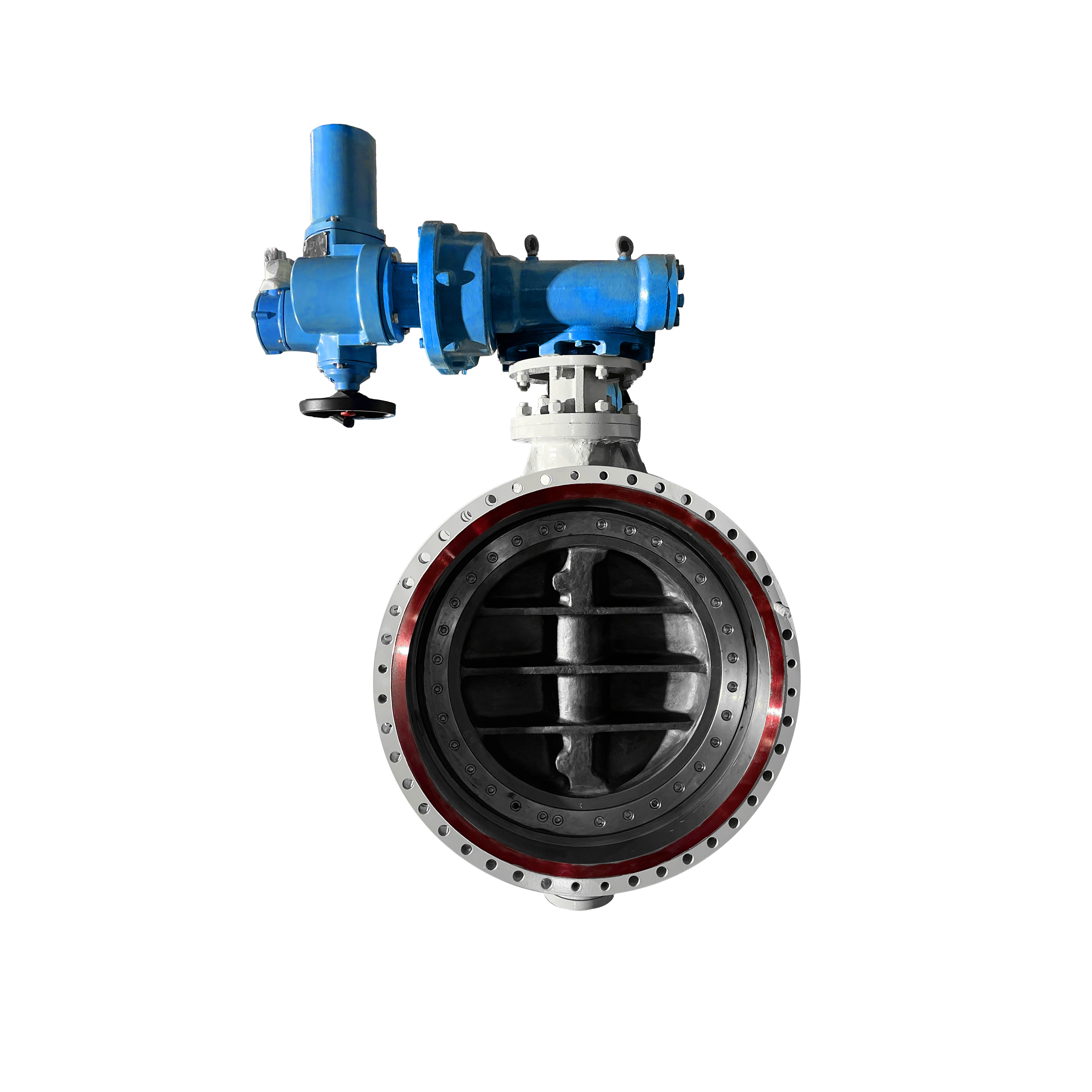
Cutoff Switches, one fundamental structure for disconnecting flow in ducts, afford a uncomplicated method for allowing or terminating fluid path. Frequent types include inclined gate, orbital gate, and knife gate, each suited for targeted deployments, such as oil conversion, H2O purification, and fabrication sites. Regular support, including detailed audits, moistening of operational segments, and rare alteration of used seals, is required for maintaining stable performance and amplifying the device's term}.Deciding on A Prime Current Command
As planning an aqueous system, determining the correct apparatus kind is crucial for adequate working. Globe valves and shutter valves are often picked, but address clearly contrasting roles. Barrier valves are mainly intended for wholly terminating the flow and are rarely well-suited for regulating flux levels. Conversely, globe valves present exceptional capabilities for detailed stream balancing and are often chosen where dynamic transit quantities are called for. Think about a task's characteristic requisites before choosing your definitive preference.
- Bulkhead valves - Appropriate for open-close supervision.
- Control valves - Superb for moderating circulation.
Check Valve Functionality: Stopping Reverse Flow in Pipe Lines
Backflow valves are indispensable parts in many production tubing setups, designed to preserve linear transit of substances. Their principal duty is to avoid reflux, where could harm machinery, contaminate supplies, or interfere with methods. They habitually run self-operatingly, facilitating circulation in one sense while securely blocking flux in the backward vector.
Ball Valves: Upsides and Limitations for Commercial Deployment
Round valves are generally employed in manufacturing settings due to their straightforward design and reliable operation. Conversely, it’s vital to consider both their positive aspects and potential undesirable characteristics. Chiefly, ball valves offer near-instantaneous shut-off capabilities, excellent flow control when engaged in a interim gate valve position (though generally not recommended for prolonged throttling), and are partially low-cost compared to various valve types.
- Basic Upkeep
- Low Force Restriction
- Tight Blocking
Inspection of Valve Classes: Gate, Globe, Check, and Ball
Learning the disparities concerning valve styles is critical for electing the best alternative for a specific job. Let’s shortly inspect four common valves: gate, globe, check, and ball. Gate regulators supply minimal resistance to stream when fully clear, making them best for large quantity jobs, but experiencing poor adjustment capabilities. Globe systems, in opposition, have a section that rests against a orifice, allowing for detailed movement management, although at the burden of increased liquid loss. Check systems are intended to naturally prohibit backwash, functioning as a single-path defensive attribute. Finally, ball controls use a spinning rotor with a vent to allow passage, affording prompt clearance and deactivation with comparatively low liquid decline.
- Gate Valves: smallest impedance
- Globe Valves: managed stream
- Check Valves: prevent backflow
- Ball Valves: rapid transition
Picking the Appropriate Regulator: A Tutorial to Stopper, Rotary, Uni-directional, and Orbital
Once administering with moist flux, favoring the fitting component is crucial. Gate instruments offer negligible inhibition and are most fitting for free-flowing assignment, but lack well-suited for adjusting. Globe controllers provide superb circulation adjustment and are preferred for uses requiring variable flow rates. Check apparatuses are autonomous and authorize circulation in single direction only, prohibiting reflux. Finally, ball components offer quick transition and are generally used in extreme cases due to their robust design.
Addressing Common Malfunctions in Gate, Globe, and Ball Valves
Managing troublesome gate, globe, and ball instruments can be challenging, but most common issues are smoothly addressed with a bit of knowledge. Note some typical problems and probable solutions. For gate regulators, detect oozing around the cap, which habitually indicates a faulty gasket. Globe instruments are inclined to sticking due to particles – use planned direct movement or scouring to dislodge the interference. Ball devices may experience packing leaks if the pellet is damaged; exchange the gasket is frequently the simplest tactic.
- Review for erosion
- Confirm sufficient oiling
- Weigh expert consultation if the issue abides
A Place of Check Elements in Upkeeping Pipeline Soundness
Non-return units deliver a vital responsibility in enhancing whole structure security across many realms.These avert inversion of materials, which would cause considerable risks namely corruption of commodities, hardware defect, and even team members injury.In, in a hydrated grid, check devices shield the well from resulting polluted by return load. To add on, the apparatuses facilitate reliable closure steps and limit the exposure for unplanned spillage episodes.
Ponder this succeeding eventualities:
- Protection of critical hardware from deterioration due to opposite load.
- Safeguarding the wholeness of palatable hydration materials.
- Impeding unsafe product backflow into safe zones.
Understanding Flow Control Device Forms: Gate, Globe, Ball, and Check
Even though all serving as vital components in gas systems, gate, globe, ball, and check regulators differ significantly in design and use. Shutoff valves offer minimal flow restriction when fully available, ideal for segregation but