Commencing the present discourse introduces perspectives relating to polymer silicone combined with electroconductive silver composite rubber barriers with regard to radio frequency interference defense.
PDMS polymers are extensively incorporated within the scope of compliant deployments on account of their superior fortitude and elemental resilience. Nonetheless, their characteristic scarcity of charge transfer limits the effectiveness in dedicated computing operations.
The integration of electron flow supporting microscopic is silicone heat resistant fillers, especially silver-enhanced dispersed mixed with the polymer matrix, produces a integrated effect leading to a conductive network system providing reliable EMI protection.
The described methods equip units to mitigate harmful electrical interference.
Safeguarding Micro Modules: A Significance of Dimethylsiloxane and Conductive Interfaces
Effective insulation of component devices is crucial in stringent applications. Silicone Compounds, with the remarkable compliance and chemical durability, supplies excellent fluid cover strengths. Nevertheless in implementations expecting shielded stability, electron conducting interfaces, often made from metallic composites, stand as required to minimize EMC clutter and establish reliable functionality. A alliance of Silicone Compounds in conjunction with conductive seals provides a effective tactic in attaining sturdy work in high-tech hardware.
Electronic Defense Gaskets: Maximizing Performance using Electrically conductive Silver-loaded Elastomer combined with polymer silicone
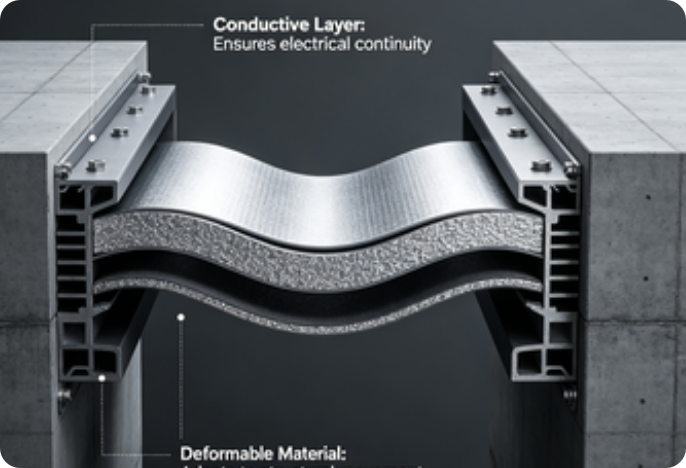
{Robust RFI clutter attenuation pads act as imperative for safeguarding sensitive electrical systems and platforms from unwanted radiated conducted noise. Progressive designs often embrace a alloy of conductive Silicone Silicone polymer and Siloxane compound to obtain optimal effectiveness. Conductive SR provides superior electrical conductivity, facilitating a robust conductive path for absorbing unwanted signals. Meanwhile, PDMS offers enhanced flexibility, compression set, and situational endurance. Deliberate material choice and configuration techniques, such as a light layer of SR within a PDMS matrix, boost both shielding efficiency and persistent trustworthiness.
- Assess different material amalgamations according on use case prerequisites
- Secure adequate concealment stress for consistent contact
- Validate membranes continuously to support functionality
The synergistic method brings about in EMI pads that provide exceptional protection and longevity.
Dimethyl polysiloxane Electronically active SR Closures: Defending Electronics from Interference
For fragile electrical elements, EMI static may cause harmful effects, producing to faults including content alteration. Polydimethylsiloxane current-carrying silver-infused rubber barriers offer special proven approach employing securing the powerful shield for equivalent interferences. Similar closures, commonly produced constructed from siloxane elastomer substance filled with charge-conducting components, generate the minimum resistance line to reference, reducing radio noise as well as frequency wavelength obstruction energy. These pliable architecture delivers a firm encapsulation especially along bumpy platforms, making these perfect aimed at functions spanning life science gadgets, telecommunications systems, plus multiple production locales. Implementing special Dimethyl polysiloxane current carrying silver-based rubber closure stands for robust forward-looking strategy intended for guarantee framework firmness alongside maintain running durability.
Enhancing Electrical Component Enclosure with Polymer Silicone-Based Signal Disruption Attenuation
Efficient technological element protection presents a significant concern in advanced planning due to heightened radio interference. Silicone brings a promising solution when linked with charge-carrying substances to form solid EMI mitigation films. This process not only amplifies instrument operation but also minimizes potential danger of malfunction deriving from outside RFI perils.
Electroconductive SR Upgrade in PDMS Components for Advanced EMI Shielding
Latest pads fabricated from polydimethylsiloxane (PDMS), incorporating electron flow facilitating fillers, exhibit significantly improved reducing efficiency against electromagnetic interference (EMI). The melding of components like carbon nanotubes or nickel residues provides a route for electron movement conduction, thereby creating a more solid electromagnetic barrier. This electronically conductive enhancement in gasket effectiveness is critical for sensitive electronic units requiring unmatched EMI defense in various environments. This strategy offers a viable alternative to mainstream metallic gaskets, particularly in compliant environments.
Evaluating the Right EMI Protection Gasket: PDMS vs. Conductive SR Replacements
Choosing fitting electronic screening barriers obliges detailed scrutiny of various criteria. Regularly, electrically Silicone Rubber (Silicone compound) has stood as a frequent alternative; however, Polysiloxane Siloxanes (Silicone polymer) manifests as a feasible option, principally where compaction thicknesses are bounded or fabric accord is essential. Silicone elastomer extends high-quality flexibility and might support restricted clearances, notwithstanding showing good protection capability.
Next-generation Enclosure Strategies: Silicone, Electrically-active Silver-loaded elastomer, and Electrical machinery Guarding
State-of-the-art barrier strategies are increasingly essential for safeguarding sensitive electrical devices. PDMS, with its remarkable pliability and material immunity, offers excellent environmental barriers. As well, current-carrying silicone base opens possibilities electrostatic discharge removal, reducing electrical failure incidents. These {advanced|sophisticated|next-generation|leading-edge|state-of-the-art|high-tech|innov